
The Campfire is Your Only Marketing Channel.
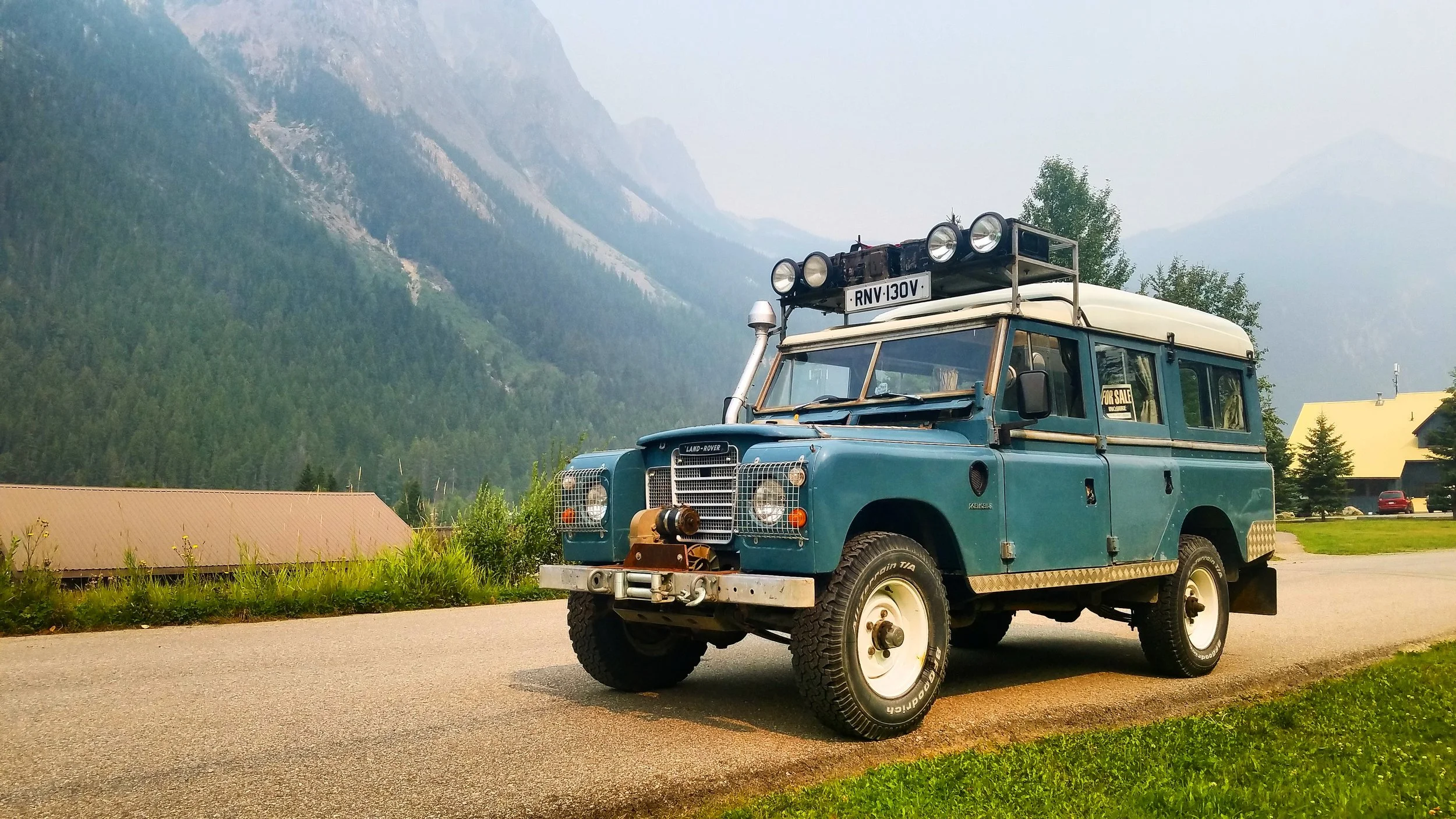
Photo by Anthony Sicola
Your dashboards are lying to you.
You’re tracking clicks and 'likes,' but in the overland and outdoor space, trust isn't built on a screen. I’ve never bought a $4,000 roof-top tent because of a well-targeted Instagram ad. I buy products because I talk to people about them. In this industry, the campfire is the only credible salesperson you have.
Trust > Features
Most brands lead with specs. Overlanders lead with trust. They aren’t looking for a list of dimensions and specifications. They want to see a track record; “Has someone like me run this setup?”, “Did it hold up over time?”, and “Does it actually solve my problem, or just take up space?”
Brands that people trust show proof through field testing through real stories of taking products into the backcountry. They trade staged, golden hour shots of their rigs for the dust of the backcountry. I don’t want to see your product in a studio, I want to see it after 5,000 miles of switchbacks, washboards, and mud.
If you can’t provide that proof, the community will fill in the gaps for you. And in this space, they aren’t always kind about it.
Community Validation Is Everything
You can dump money into ads, but one stranger’s authentic experience at a trailhead is worth more than your entire annual marketing budget.
This is a culture built on stories told around the campfire, advice on technical forums, and through trusted brands that don’t steer them the wrong way. Overlanders trust real people because real people live with the consequences of product failure in the middle of nowhere.
In many industries, a product failure is an inconvenience. In ours, it’s a liability. You don’t get that kind of accountability anywhere else.
Identity vs. Utility
Overlanders are a proud group. Many won’t admit it, but their gear choices say a lot about who they are. They aren’t being showy, they just have a very specific internal code:
“I’m prepared for anything.”
“I’m self-sufficient.”
“I don’t buy gear twice.”
“I know my rig because I turned the wrenches myself.”
This identity drives their direction. Utility and reliability are the logic they use to justify their purchase. If your brand doesn’t respect the self-reliant, do-it-yourself nature of this community, you aren’t just missing a marketing angle, you’re missing the point entirely.
Overlanders Hate Feeling Sold To
This community has a deep intolerance for bullshit.
Pushy sales and marketing tactics? They’re uninterested. Overly polished influencer and ambassador content? You look like a poser. Brands that pretend to know the lifestyle but clearly don’t? GTFO.
Overlanders respond to brands that respect their intelligence. If your product smells like it was made for everyone, they’ll assume it’s not made for them. In our world if you try to speak to everyone, you speak to no one.
Price Matters… But Not the Way Brands Think
Overlanders will save for months to buy the right gear and ignore the wrong gear at any price. The calculation isn’t: “What’s the cheapest solution?” It’s: “What gear can I trust when I’m hours from help?”
This is why small makers and scrappy brands with integrity often outperform huge companies with massive budgets. Trust scales faster than discounts.
The Purchase Happens Long Before Checkout
By the time someone clicks “buy” or opens their wallet at an event, they’ve usually been thinking about the product for weeks or months. They’ve watched all the install videos, stalked rigs on Instagram with the same setup, read reviews and customer feedback, and cornered friends for an honest opinion.
This isn’t impulse buying. It’s decision stacking. Brands that don’t show up consistently across these moments get filtered out without ever knowing they were in the running.
Participation Over Performance
Overlanders have a sixth sense for brands that are just touring the industry hoping to make a quick buck. If you’re a brand dropping a huge budget on polished retargeting ads instead of listening to the community, you are going to be ignored.
Authority is earned by being part of a community. It’s the brand connecting with people at events. It’s the founder who’s answering technical questions on a forum at 11:49 PM. It’s helping people use your gear in the right way. It’s about participation.
Brands who miss this build marketing plans. Brands who get this build loyalty and a following that will defend them.
The Real Takeaway
Overlanders don’t buy gear. They buy confidence, capability, and trust, If you’re just selling a product, you’ve already lost.
If you want to reach this audience, you can’t shortcut the psychology. You have to understand how they make decisions, what they value, and why the community polices authenticity so hard.
If you want help aligning your brand, message, or content with how overlanders actually think, I’m here for that work.
Just say when.
